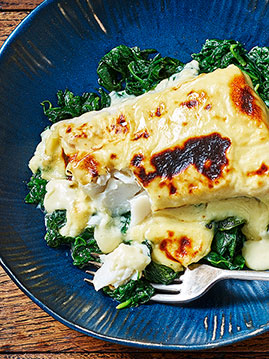
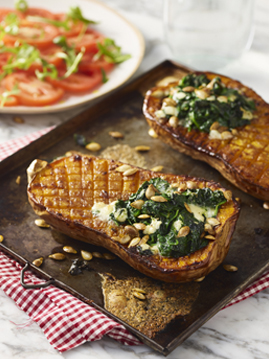
Synopsis: Reducing food waste often starts with small, simple habits in the kitchen. Leftover cheese is a perfect example:: whether it is still soft or starting to dry out, it can be turned into sauces, dressings, dips, soups, toppings, and snacks very easily instead of it being thrown into the bin. Using every piece means better value for the cheese you buy. It is also an easy way to cook more sustainably without sacrificing pleasure or taste.
1. Sauces: Leftover cheese is very useful for quick sauces. To make an easy cheese sauce, add around 50g of cheese (it can vary depending on your taste) in a small pan with 100 ml of cream or milk. Warm it gently over low heat and stir until the cheese has melted and the sauce is smooth. You can then add your favourite seasoning (black pepper, herbs, chilli flakes, etc). This simple sauce can work well with pasta, mix vegetables, or baked dishes.
2. Dressings: Cheese can also add flavour to a salad dressing. To make a simple dressing, crumble about 50g of soft or crumbly cheese into a bowl. Whisk it with 2 tablespoons of olive oil and one tablespoon of lemon juice or vinegar (for one salad bowl, adjust the measurement accordingly). If the dressing is too thick, you can add a spoonful of water for a better consistency. This is the perfect balance of creaminess and tanginess that works well with any green salad, roasted vegetables, or grain bowls.
3. Dips & Spreads: Small bits of cheese are perfect for dips and spreads. A clear rule is to mix one part of cheese with one part of yoghurt. For example, you can combine 100g of finely chopped cheese with 100g of plain yoghurt. Stir until smooth, then add herbs, garlic, and chilli for the strong flavour. This makes a simple dip that goes well with raw vegetables, bread, crackers, or bite-sized appetizers.
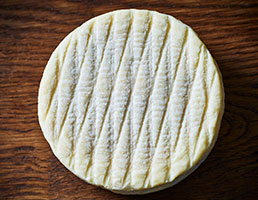
4. Dried Cheese: If cheese become dry on the outside but has no mould and still smells normal, it can be used. Cut the cheese into pieces and add them to a pot of soup while it is simmering. The cheese will slowly melt and give the soup more flavour and a light creaminess. This works well in vegetable soups, tomato soups, or simple broths and helps you use cheese that might otherwise be thrown away. You can certainly save money this way!

5. Toppings & Snacks: Leftover cheese can also be used as a finishing touch to many dishes. You can grate a small amount on baked dishes, pasta, or many other hot recipes so it melts on top. This simple step adds extra flavour and help you use the final pieces of cheese in a satisfying way.
Paying attention to cheese dates is important. The “use-by date” is about safety, while the “best-before date” is about quality and more flexible. You don’t always need to throw cheese away after these dates — use your senses. If it smells fine and has no mould, most cheeses are usually still safe to consume past their best-before date. At home, this means tired-looking cheese can still become sauces, dips, or soup instead of going in the bin. It saves money and keeps good food in use!